In the rapidly evolving landscape of web development, choosing the right framework can be the difference between a project that scales effortlessly and one that becomes a technical debt nightmare. As we move through 2026, Laravel continues to solidify its position as the premier PHP framework for building modern, high-performance web applications.
The Evolution of Laravel: More Than Just a Framework
Laravel has evolved from a simple PHP framework into a comprehensive ecosystem that handles everything from local development (Laravel Sail) to server management (Laravel Forge) and serverless deployment (Laravel Vapor). For businesses looking to scale, this cohesive ecosystem reduces the complexity of managing disparate tools.
1. Elegant Syntax and Developer Experience (DX)
One of Laravel's greatest strengths is its "elegant" syntax. It prioritizes developer happiness, which directly translates to faster development cycles. Features like Eloquent ORM allow developers to interact with databases using PHP syntax instead of complex SQL, making the code more readable and maintainable.
Building Scalable Architecture for SaaS
When we talk about modern web apps, scalability is non-negotiable. Laravel is designed with scalability in mind. Whether you are building a boutique MVP Development or a massive enterprise SaaS, Laravel's support for Redis, Memcached, and database sharding ensures your application can handle millions of requests.
Built-in Support for Microservices
With tools like Laravel Pulse and Horizon, monitoring your application's performance in a microservices architecture becomes significantly easier. This is why many global brands choose to Hire Laravel Developers who understand the intricacies of high-availability systems.
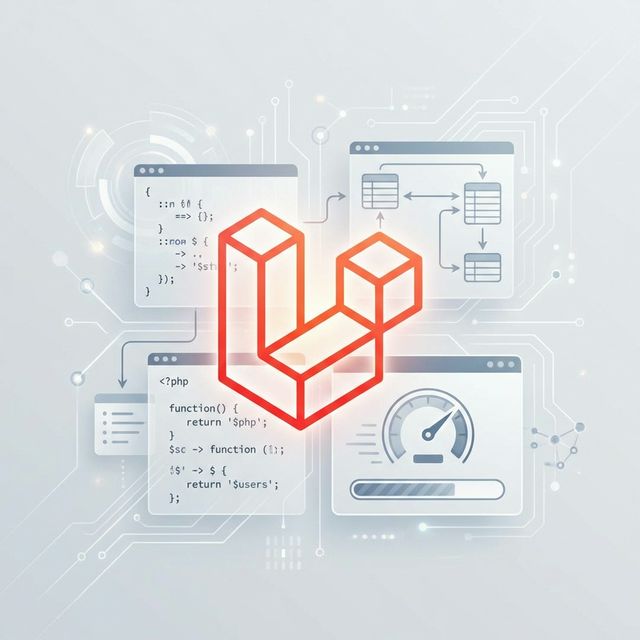
Figure 1: The comprehensive Laravel ecosystem for modern development.
Security First: Why Enterprises Trust Laravel
Security is often an afterthought in many development projects, but not with Laravel. It provides robust, out-of-the-box protection against common vulnerabilities:
- SQL Injection: Eloquent ORM uses PDO parameter binding to prevent malicious queries.
- Cross-Site Request Forgery (CSRF): Laravel automatically generates tokens for every active user session.
- Cross-Site Scripting (XSS): The Blade templating engine automatically escapes output.
For industries like Retail & E-commerce or Real Estate, where data privacy is paramount, these built-in protections are essential.
Integration with Modern Frontend Stacks (React & Next.js)
Laravel isn't just a backend powerhouse. Through Inertia.js, it bridges the gap between classic server-side rendering and modern SPAs. You can build a seamless, app-like experience using React & Next.js while keeping the powerful routing and authentication of Laravel.
The Power of Livewire
For those who prefer a full-stack PHP approach, Laravel Livewire allows you to build dynamic interfaces without writing a single line of custom JavaScript. This flexibility is what makes Laravel Solutions so versatile for various business needs.
Conclusion: The Future is Laravel
As we look towards the rest of 2026 and beyond, Laravel’s commitment to innovation—marked by frequent updates and a massive, supportive community—makes it the safest and most powerful bet for your next web project. If you are looking to build a robust digital product, navigating to our Global Presence page can connect you with one of our regional hubs to get started.